Independent NZ film journal

Casino Cinema – Iconic Films, High Stakes & Masterful Plots

Explore the greatest gambling, heist, and neon-noir cinema: in-depth reviews, character deconstructions, behind-the-scenes trivia, and streaming guides curated for film lovers in New Zealand.

Cinema Story Digest is an independent film information and critique portal. We do not provide gambling services, real-money wagering, or direct movie streaming.

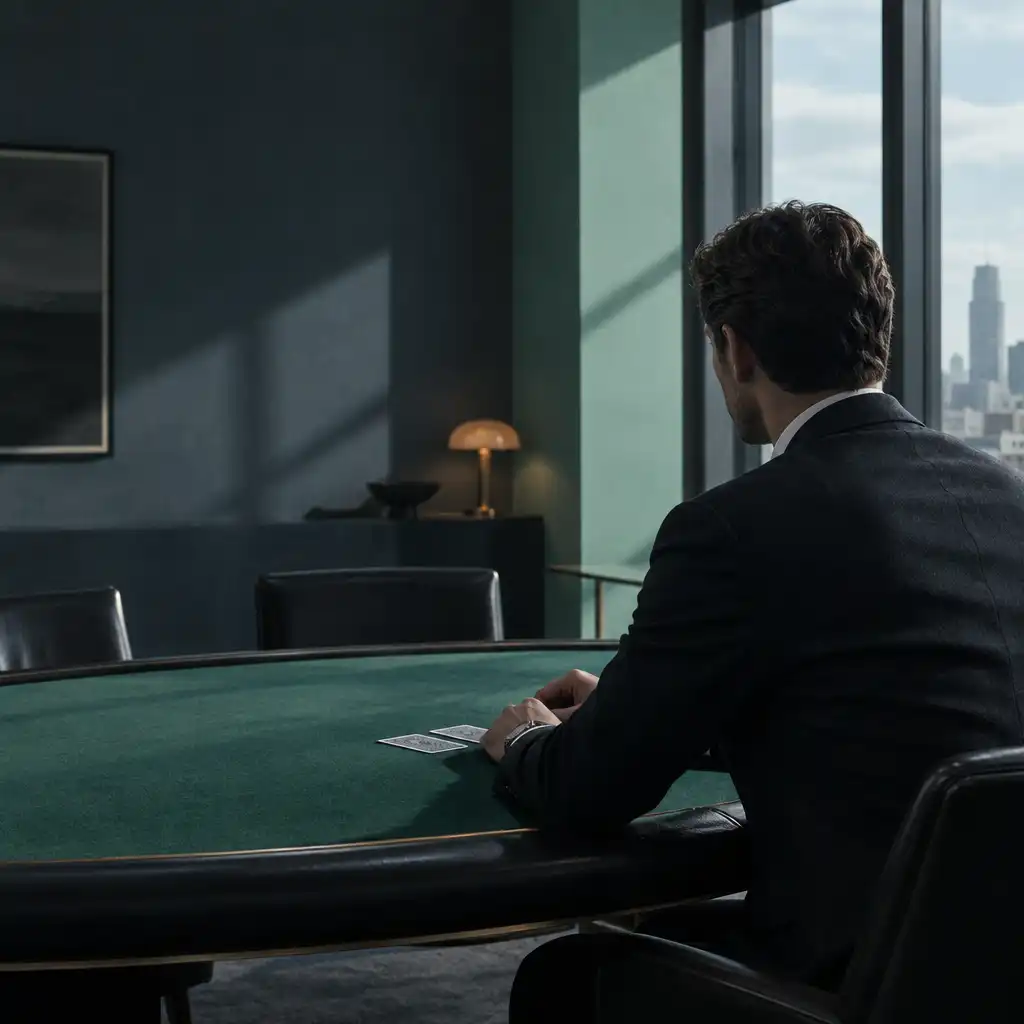
A solitary figure standing thoughtfully beside a green felt table in a restrained modern interior.
An editorial image about atmosphere, attention, and screen tension; not an invitation to gamble.

Critical lens

About the Casino Film Genre

Casino-centred stories are rarely only about the table. They are useful cinema because rules, rooms, money, performance, and surveillance make inner pressure visible.

Psychology under pressure

Psychological dramas use a wager as a way to expose desire, shame, confidence, and self-deception. The important question is not whether a character wins, but what their private calculation costs them. In close character studies of fortune and risk, a glance, a pause, or a refusal can reveal more than the outcome itself. Our criticism follows those emotional decisions rather than celebrating participation.
02 / designed suspense

The heist as designed suspense

Intricate heist thrillers turn preparation into drama. Plans, constraints, surveillance, and reversals give viewers a map of what might go wrong, while casino spaces supply guarded thresholds, public performance, and clear rules. We examine how stylised crime narratives arrange those elements on screen, not as advice for navigating any real-world venue.

Obsession, systems, and style

Mathematical obsession and stylised crime narratives let filmmakers question systems, probability, status, and consequence. A casino may become architecture, metaphor, or social theatre: a place where people mistake pattern for certainty. That distinction matters because a film can make calculation thrilling while also showing its blind spots, compromises, and human fallout.

Editorial index

Portal Highlights

Move between close criticism, character work, scene structure, sourced context, and transparent discovery tools without leaving the film itself behind.

Film reviews

Reviews and critical verdicts

Our in-depth reviews consider storytelling, performances, form, and cultural context. They use plain-language verdicts such as “Worth a closer look” rather than scores, so a reader can understand the argument behind the response.

Browse Film Reviews

Character dossiers

People and performances

Character dossiers and actor spotlights follow choices, contradictions, and the pressure behind a role.

Explore Character Profiles

Scene analysis

Scripts and scenes

Deconstructions trace how information, framing, and reversal build a sequence.

Read Deconstructions

Verified context

Production context and themes

Verified trivia and production facts are separated from interpretation, while thematic essays make room for wider criticism and cinema-history connections. We avoid invented industry claims and make sourcing part of the editorial frame.

Visit Thematic Articles

NZ availability guidance

Watchlists and legal availability

Curated watchlists help connect films through mood, craft, and cultural conversation. For current New Zealand availability research, we link out to a legal directory; Cinema Story Digest does not host movies or provide playback.

Explore the NZ Movie Directory (opens in a new tab)

Ongoing journal

Regular editorial updates and deep-dives keep the conversation moving across established films, craft questions, and the changing ways cinema culture revisits high-stakes stories.

Craft notebook

Film Analysis & Storytelling

Beyond plot, we follow the formal decisions that make a high-stakes scene legible: when a cut arrives, where a body stands, and what a room allows us to hear.

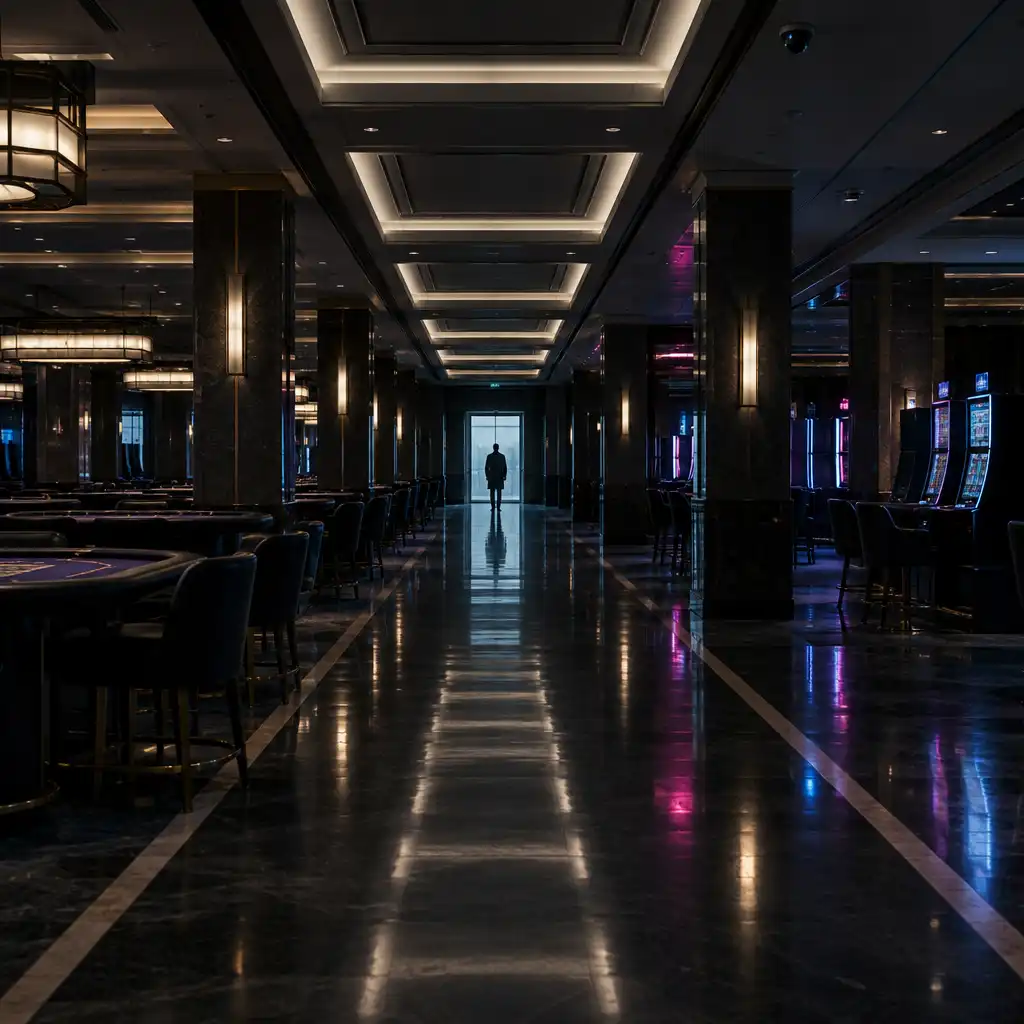
An empty, geometrically lit corridor with a distant figure at its vanishing point.
Architecture and practical light can turn a corridor into a map of uncertainty.
01

Pacing, tension, and editing rhythms

High-stakes pacing alternates information, delay, reaction, and release. Editing rhythms decide when a viewer understands danger, while cuts, pauses, and withheld detail shape who we trust. Tension is a formal construction, not the result of a game alone.

02

Heist architecture and casino security

Floor plans, access controls, surveillance, staffing, and timing give a heist film spatial logic. We read those features as production design and screen storytelling: a system that lets a director organise movement, obstacles, and perspective without offering operational guidance.

03

Flawed protagonists and performer psychology

Flawed protagonists, card counters, and high-roller figures work as cinematic lenses for discipline, ego, fear, charisma, and self-sabotage. This is narrative and performance analysis, not strategy. Close-ups, blocking, and point of view show how a character’s need for control can become their weakness.

04

Atmosphere, neon, and directorial vision

Neon lighting, lenses, colour contrast, and directorial vision turn rooms into emotional landscapes. Light can conceal, isolate, or expose a face before dialogue does. Explore more examples through Gallery & Stills, where composition receives the same attention as plot.

05

Rules and sound as narrative devices

Game rules matter onscreen when they clarify stakes, create reversals, or reveal false confidence; they are not a how-to-play guide. Sound design completes that work through silence, crowd noise, music, and table texture, directing attention to what a character hears, misses, or misunderstands.

Ideas under pressure

The World of High-Stakes Cinema

These films return to spaces where private motives become public performances, and where systems can look both seductive and unforgiving.

The gaming floor as social stage

The gaming floor is a cinematic setting where spectacle, etiquette, surveillance, labour, and status can share the same frame. As a storytelling arena, it heightens private motives because every gesture occurs before witnesses. A filmmaker can use that public visibility to make a quiet hesitation feel consequential without treating the setting as an invitation to participate.

Critical context

House versus player

On screen, house-player conflict becomes an imbalance of power, information, and institutional control. That makes moral ambiguity more interesting than a simple winner-versus-loser tale: people may resist a system, exploit it, serve it, or misread it. Criticism can ask whose rules are visible and whose costs remain offscreen.

Psychological warfare: calculation and chance

Films stage calculation and blind luck as competing beliefs about identity, pride, fear, and responsibility. Cinematic depictions of mathematics remain narrative devices, not real-world gambling guidance. The friction between a character’s certainty and a film’s wider view creates the drama.

What a character believes is control; what a film reveals may be consequence.

Cast sheet

Characters & Archetypes

Recurring roles give these stories a human scale. Each archetype is a critical starting point, not a diagnosis or a romanticised template.

01

The analytical card counter

Attention, discipline, isolation, and the limits of control define this screen motif. Counting is treated as a narrative signal of interior pressure, where technical focus can collide with moral uncertainty.

Read character profiles

02

The charismatic con artist

A performer of identity, charm can conceal improvisation, vulnerability, or manipulation. The archetype tests ensemble dynamics and asks how readily the audience accepts a persuasive story.

Read character profiles

03

The stoic pit boss

Watchfulness, procedure, and professional codes make this institutional observer more complex than a simple antagonist. Restraint can hold a scene together while authority remains difficult to read.

Read character profiles

04

The desperate dreamer

Hope, debt, pride, or longing makes risk emotionally legible. This compassionate psychological-drama figure brings private need into focus without sensationalising the harm around them.

Read character profiles

05

The relentless investigator

This figure reconstructs a system, follows contradictions, and tests the stories others tell. Their perspective supports crime-cinema structure by setting competing points of view against one another.

Explore the dossiers

For readers

Who is this Portal For?

A place for viewers who want more than a plot recap, with routes into criticism, craft, and practical availability research.

Crime and thrillers

For thriller and crime-cinema viewers

Readers interested in psychological thrillers, crime cinema, nuanced character studies, and anti-heroes can find interpretive reading rather than simple recap. Begin with reviews or follow a performance through character profiles.

Craft and history

For lovers of craft and clever planning

If you are drawn to screen architecture, cinematography, storytelling analysis, film trivia, and cinema history, our work tracks how plans become scenes. Planning is considered as film form, not real-world tactics, through deconstructions and visual analysis.

NZ availability

For NZ viewers seeking legal availability

New Zealand viewers can use our guidance to research where relevant films may legally be watched. We provide reviews and external directory links, not direct streaming, and availability can change independently of this portal.

Practical boundaries

Frequently asked questions

A few clear answers about what Cinema Story Digest is, who it serves, and what it does not provide.

Editorial standards note

Source-aware practice

Criticism versus verified context

Reviews and essays are editorial interpretation. Production facts and trivia are checked against established cinematic sources before publication, with a clear distinction between what a film suggests and what a record can support. We avoid invented ratings, awards, box-office claims, and unverified anecdotes.

New Zealand availability links lead to an external curated directory and may change independently of Cinema Story Digest. We do not host or stream films; the external link is provided for transparent research.

Ready to Explore the Masterpieces of Casino Cinema?

Research legal New Zealand availability for relevant films through an external curated directory. The link opens a separate site and does not stream a film on Cinema Story Digest.

Explore the NZ Movie Directory (opens in a new tab)

External directory link; availability may change.