
The criticism desk

Thematic Articles

This is an archive for the ideas beneath high-stakes cinema: luck, performance, pressure, systems, desire, and consequence. Cinema Story Digest is an independent English-language film review and cinema culture portal, reading casino films, heists, psychological thrillers, and neon-noir as cultural criticism rather than gambling entertainment. We offer no gambling services, real-money wagering, or direct movie streaming.

How this desk reads high-stakes films

Our essays join narrative deconstruction, cinematography attention, character analysis, and production research. Alongside reviews, profiles, verified trivia, stills, and curated watchlists, they treat scenes and historical claims with source-aware care rather than reducing a film to plot mechanics.

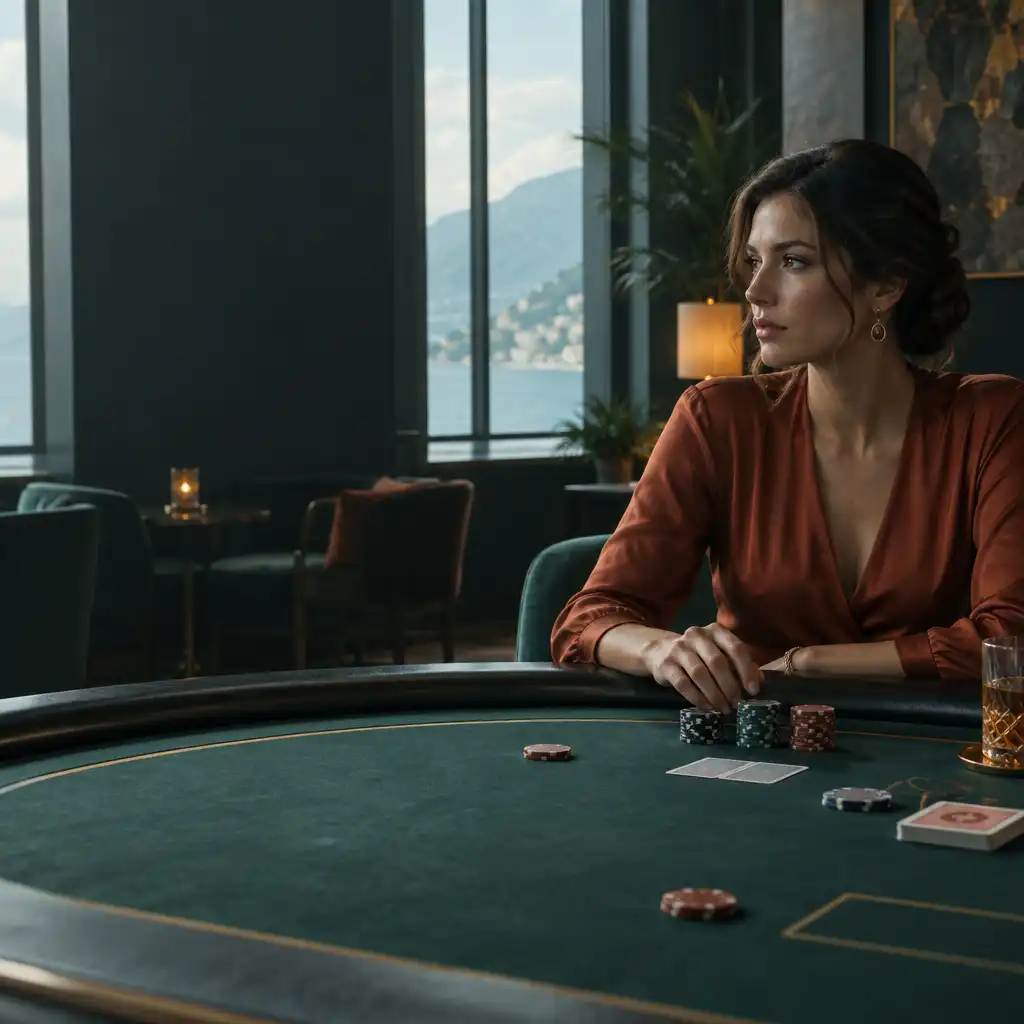
An adult figure seated at a dim casino table, hands held near cards beneath daylight from tall windows.
01 Editorial still: a close table composition makes the viewer share a character's partial view of the room. Light, hands, and empty space carry more pressure than the apparent wager.

Featured argument

Fortune is never neutral on screen

Films about chance rarely ask only whether someone will win. They ask who is permitted to take a risk, who must absorb the loss, and how institutions turn uncertainty into spectacle. Across touchstones such as The Killing, The Hustler, Casino, and Uncut Gems, fortune becomes a way to stage unequal knowledge and unequal exits.

Our feature essays follow the formal tension of waiting: a held frame, a sound dropping from the room, a face withheld until the last possible cut. These are cinematic arguments about power and consequence, not instructions for playing a game.

Read the essay
Deep-dive

Regular editorial deep-dives examine one film idea through scenes, craft, context, and critical debate. Follow the thematic routes below to choose your next line of inquiry.

Close-reading method

A scene can hold an entire system

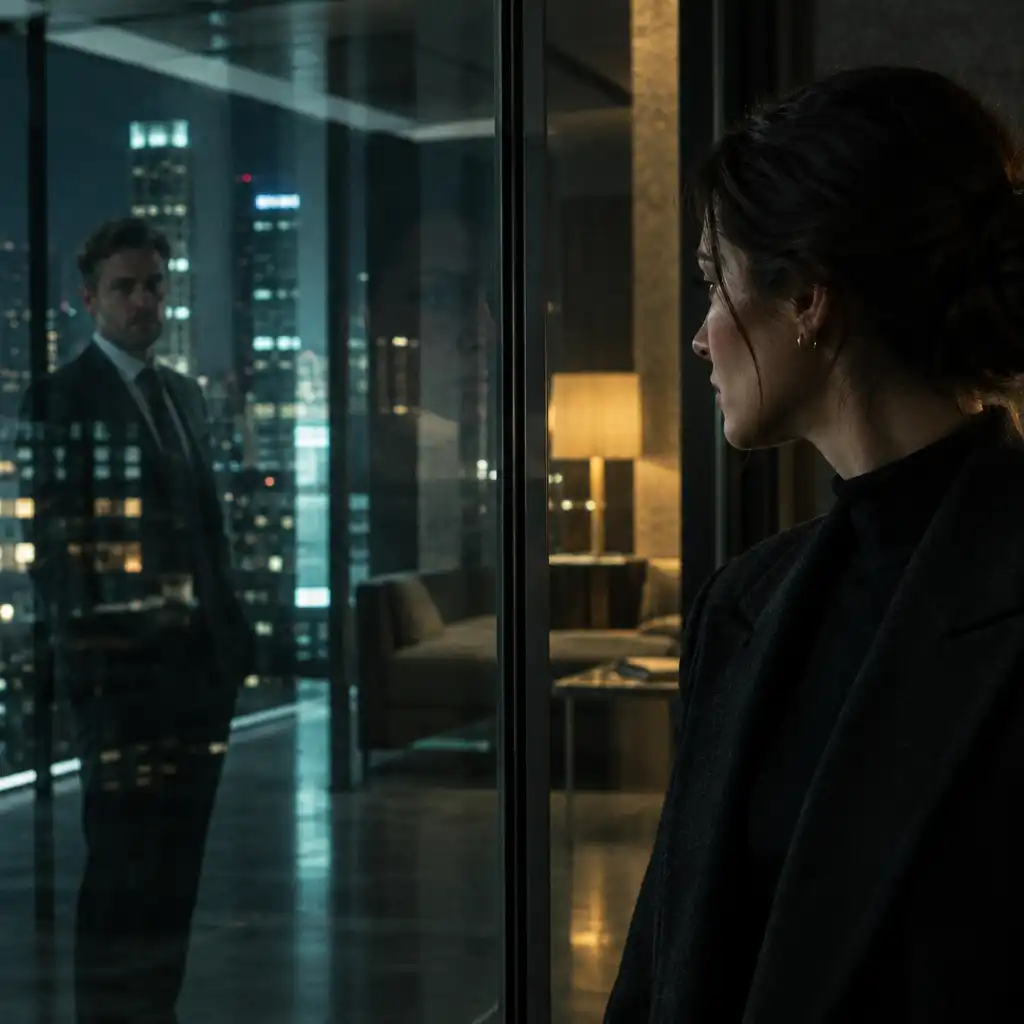
Two adult figures separated by a reflective glass partition in a modern city interior at night.
Editorial still: reflected glass and separated eyelines make the architecture part of the psychological pressure, before any explanation of the scene's outcome.
  1. 01

    Read the frame before the outcome

    A scene can be understood through what it withholds: entrances, exits, eyelines, reflective surfaces, and the distance between people. Our deconstructions begin with composition before plot resolution, asking how visual restriction turns uncertainty into psychological tension.

  2. 02

    Listen for pressure

    Room tone, music cues, silence, and dialogue timing can reveal a shift in power within a bluff, interrogation, or negotiation. Sound is not decorative atmosphere here; it is observable film form that tells us when confidence has begun to fail.

  3. 03

    Ask who pays for the cut

    Editing can make a decision immediate, delayed, or already doomed, especially when a film cuts away from the apparent centre of action. Follow how rhythm redistributes risk, then explore narrative deconstructions for fuller scene studies.

Research desk

Verified context, not loose trivia

Interpretation and record do different jobs. We label production and historical context as facts only after verification, and we make clear when an essay moves into critical reading. That distinction lets cinema history deepen an argument without pretending criticism is neutral.

Context

The real Las Vegas behind Casino

Casino can open a route into the changing relationship between organised crime, corporate ownership, and Las Vegas screen mythology. A linked essay should distinguish documented history from the film's dramatisation, identifying exactly where verified context ends and interpretation begins.

Verify before publishing: historical and production claims require an identified source.

Verified information

The card-table influence on The Sting

The film's period confidence-game world offers a path into performance, period design, and audience complicity. It also asks readers to separate cinematic confidence games from historical reality. Deep-dives should cite their research rather than rely on awards, ratings, or unsupported behind-the-scenes detail.

Editorial note: source citations belong with claims that need them.

Method

Neon, surveillance, and Thief

Michael Mann's Thief is a useful case for studying urban night photography, professional identity, and spectatorship. Reflective surfaces, architecture, and controlled colour can be read directly on screen; specific production assertions remain reserved for confirmed sources.

Read source-aware deep-dives

Curated viewing paths

Watchlists with a critical question

These are annotated routes for comparison, not a streaming catalogue. Each list begins with a question that can travel from one film to another, while current legal New Zealand availability remains a separate external utility.

A small group of adults studying a paper plan around a worktable in a sunlit industrial room.

Heist and pressure

When the plan starts to fracture

Compare planning, teamwork, error, and the moment competence gives way to exposure. Rififi, The Killing, Heat, Inside Man, and Logan Lucky offer different rhythms of information control and consequence. Treat each title as a prompt to notice who knows what, when a group stops moving together, and how an edit makes a setback feel unavoidable. Final annotations are fact-checked before publication.

  • Rififi— procedure under strain
  • The Killing— plans meeting contingency
  • Heat— loyalty and exposure
  • Inside Man— information as leverage
  • Logan Lucky— collaboration and misdirection
Check NZ availability on JustWatch (opens in a new tab)

Psychological thriller and neon-noir

Neon rooms and unreliable faces

Follow unstable perception, urban isolation, self-invention, and the performance of confidence. The Conversation, Body Double, Thief, Bound, and Drive invite comparison through colour, architecture, framing, and silence rather than a search for plot twists. The question is not simply what a character is hiding, but how a city, room, or reflected surface teaches us to doubt the face in front of us.

  • The Conversation— listening as suspicion
  • Body Double— spectatorship and illusion
  • Thief— professional identity at night
  • Bound— desire, trust, and reversal
  • Drive— silence as a performed mask
Browse related thematic articles

Editorial process

Editorial deep-dive desk

A Cinema Story Digest deep-dive is built to make a familiar film newly legible, without claiming the final word on it.

  1. 01

    Start with the pressure point

    A deep-dive begins with one precise question: why can a character not leave a table, room, city, or story they know is damaging them? The question is interpretive, not sensational, and gives the essay a route through scenes and context.

  2. 02

    Follow the formal evidence

    The argument is tested against framing, editing, sound, performance, and production design rather than plot recap. Scene description stays evidence, while technical observations remain clear to readers without specialist training.

  3. 03

    Separate record from reading

    Verified production or historical context is labelled as fact; the critical conclusion remains openly interpretive. Source notes support claims where needed, building trust without suggesting that a reading can be entirely neutral.

  4. 04

    Leave room for disagreement

    We close by inviting a reconsideration of a familiar film through a different lens, not by declaring one definitive answer. Related reviews, profiles, and deconstructions keep the conversation open across the archive.

Cinema about stakes is not a service for placing them

This archive analyses films and cinema culture. It does not provide gambling services, real-money wagering, or direct movie streaming. Keeping that distinction explicit is part of Cinema Story Digest's editorial responsibility.

Legal viewing utility

Check NZ availability on JustWatch

Use the curated external directory to check current legal New Zealand availability for crime, drama, and thriller films connected to your reading. Catalogue availability changes at the destination, and Cinema Story Digest does not directly stream films.